🎙️ Welcome Back to The Ground Game Podcast! 🎙️
Episode 21: The Truth About Due Diligence
In this episode, hosts Justin Piche and Clay Hepler dive deep into the often misunderstood concept of due diligence in land investing. They share their insights and experiences on the critical importance of thorough due diligence and how it can make or break your real estate deals.
Key Highlights:
Understanding Due Diligence:
Discover what due diligence really means in the context of land investing and why it’s essential for successful transactions.
Common Pitfalls:
Learn about the most common mistakes investors make during the due diligence process and how to avoid them.
The Due Diligence Process:
Justin and Clay outline the key steps involved in conducting effective due diligence, from initial research to final assessments.
Real-World Applications:
The hosts share personal stories and lessons learned from their own experiences, providing actionable insights that you can implement immediately.
Tools and Resources:
Get recommendations on tools and resources that can streamline your due diligence process and enhance your decision-making.
Building a Due Diligence Checklist:
Understand the importance of having a comprehensive checklist to ensure you cover all necessary aspects before closing a deal.
This episode is packed with valuable discussions, practical advice, and real-world examples that can help you master the art of due diligence in your land investing business. Whether you're an experienced investor or just starting out, this conversation is essential for anyone looking to mitigate risks and enhance their investment strategies!
Tune in now and take your land investing business to the next level!
Hosts:
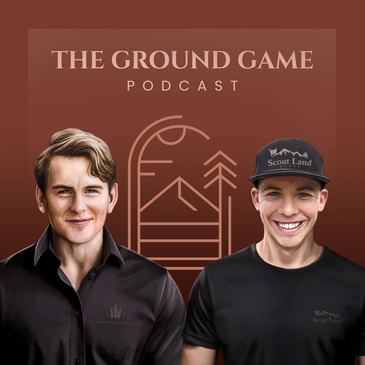
Clay Hepler: A seasoned real estate entrepreneur focused on building an eight-figure land flipping and development business.
Justin Piche: A former US Navy submarine officer turned real estate entrepreneur, dedicated to helping others s
The Ground Game Podcast
Justin's Socials:
Clay's Socials:
Are you looking to scale your business or start one from scratch?
Join Clay's Landman Accelerator
Learn about Justin's 1:1 Coaching
Apply to be a private client
Submit You...
Learn about Justin’s 1:1 Coaching
Apply for private coaching with clay
Justin's Socials:
[00:00:00] Welcome to the Ground Game Podcast. This is Justin Piche. This is Clay Hepler and we are here to show you how to win the ground game. I've had a crazy last week. Just insane. And a short week this week. But before I talk about my week, I want to know what's been going on with you because I'm sure you've had a crazy week too. Well, dude, we onboarded our senior operator.
[00:00:41] I'm a operations manager. And I am... Where's he based out of again? Buenos Aires. I am like over the moon. I am so happy. Just someone, industrial engineer. I've talked about the manufacturing kind of background and supply chain management as we talked about.
[00:01:11] In a previous episode. And he is just such an engineer. And I just, I'm so happy. I'm just so happy. And he's already kind of a couple of days in ripped open the process and said, there are so many things that you guys are doing right, but so many things that you really can improve on.
[00:01:32] And already feeling like, you know, next week, I'm fortunate enough to, you know, have the privilege of taking my, my mother on her 70th birthday to Norway to see the Northern Lights. That's really exciting.
[00:01:47] Yeah, dude. Super, super exciting. And he's going to be auditing all of our processes. We talked about this last week, right? But he already found a huge bottleneck. And he knows the goal, which is, you know, the theory of constraints.
[00:02:04] And he's just tearing it open. And already two days in saying, hey, this is a big bottleneck and we need to address this right away. And I'm like, oh my gosh, this, my business is going to 5x, 10x, like very quickly. And I'm so excited.
[00:02:24] That's incredible, man. That's like the best case scenario. You get somebody to do and like, they audit your processes, your business, and they go, here's all the places where I'm going to help you rush it. That's fantastic. Yep. And we got a, we, oh, God. I was just going to say, how much time have you been spending with him since the day he started? What day did he start again? He started on Monday. Okay. So it's been, this is the second day that he, his full day.
[00:02:51] Yeah. It's been, it's been like, you know, you, you know, when you made the right hire, like pretty, pretty much right away. You know, it's pretty, but, you know, we did extensive vetting processes and, you know, never, I've never had like an operational partner on my team. I've had partnerships in the past that were like private equity partnerships that we've done, went out and bought a bunch of real estate together. But I was like the operating partner as the acquisition person and the asset manager in sort of everything.
[00:03:17] And so there's a, there's a relief. I think I'm, I am a little bit excited just because there's that entrepreneurial relief that we feel. Maybe it's our first lead manager hire. Maybe it's our first, you know, admin hire or EA hire. Right. But there's that kind of every level that you get up, you're like, oh, this is what it looks like the next level higher.
[00:03:38] And, and so that's what I'm feeling, but who knows, you know, it's the, we're, we're really early on and we got a 43 acre under contract today. Uh, or kind of final note of, um, uh, negotiations. We're going to rezone it and we were buying it for 10 an acre. We think we could probably exit at 22 an acre, 24 an acre, but there's a whole rezoning process.
[00:04:06] Cause it's like ag and this specific area, it's kind of difficult, but I mean, obviously that's a really solid deal. That'd be great. Yeah. I've not done to like many, I don't think I've done any rezoning projects. None of them yet. We've always either kept it ag and flip and, you know, subdivided into lots large enough for the ag exemption. And most places ag, ag will allow you to go down to pretty small acreages, one, two, three, four, somewhere in that range.
[00:04:34] Uh, but it's going to be an ag to commercial or ag to residential higher density. So the, it's, it's the problem in this area is they have very strict, like, like subdividing loss. And so essentially because it's primarily farmland in this County, even though it's like right next to a city, I mean, it's like 10 minutes from a city. Um, this County, you can only subdivide 6% of the total lots out.
[00:05:01] And so we, we have to rezone it to allow for the increased density. Um, because of just the way that there's the subdividing laws and the zoning laws work in this specific County. Well, it'll be interesting. That's one of the cool things about this business. When you get to a certain level is that, you know, a lot of times we talk about don't get shiny object syndrome,
[00:05:27] but some, but then you get to a level where you have the bandwidth to not necessarily get shiny object syndrome, but learn new tools that help you capitalize on more opportunities. And so it seems like this may be an opportunity right here for you. Right. I'm excited, man. I mean, you know, there's the rezoning process is sort of like for those that the listeners that don't know, it's, it's the developer sitting there and getting just like, like strung up in front of the zoning committee and just like paraded.
[00:05:56] That's really what, what ends up being right. You're really going in front of the zoning committee. It's, it's a serious, um, conversation, um, and you have to build a case for it. But, um, I spoke with the head of zoning. There's like a lot of tailwinds in this specific area around this type of increased density for these projects. And she, you know, but one of the questions I asked yesterday was like, Hey, you know, like,
[00:06:21] am I just another guy here that's going to put in all this soft costs and, and lose it? Or is there, is there like a, an ability for me to say, essentially, we're going to get this done. If, if I bring the things that I need to bring to the table. And she's like, well, we've had 13 projects over the last year. And only one has been, uh, for rezoning and only one has been denied, which is like very good. Right. Cause you know, you have areas that are 20% getting passed through.
[00:06:51] A lot of times rezoning projects are done in conjunction with entitlements, but this will, this, this will not be that way or this will be that way. No, it won't be. Um, because we're not, we're like, we're literally just going to add a, like what you would imagine a regular rural, uh, flip would be, you know, rural subdivide. So we're just taking a 43 and taking it, like bringing it into five, two acres, a couple of
[00:07:18] like four acres, and then a larger track just because of the, um, road frontage. And so that's, that's that. Yeah. So no engineer. Are you going to be the one going into the County or do you have a, so you can have a surveyor with you to that's on your team kind of walking it through. The, the goal is to find like local, the local surveyors who've done this before, like call around really to, to bring an ally on the, on the team. Sometimes you have to pay a little bit more for that.
[00:07:47] You know, I found, but it's totally worth it. I, you know, I agree. I usually call the County planning and zoning or engineer and specifically ask them, Hey, who is the surveyor that you have worked with on projects like this before that does a good job and get a couple of recommendations. Uh, cause you would, yeah, you don't want to hire the guy that's never done it before. You want to hire the guy that's been, it was in there last month doing the same, a similar type of project in a different part of the County. For sure. Yeah. That's awesome.
[00:08:15] Um, dude, I have had so much stuff going on. Uh, but let me just maybe since last time we talked, uh, I went to Mexico this weekend for, uh, the REI casual Fridays, Justin Sliva, Adam Southie. They do, um, uh, like an event every year, uh, last year, or I guess technically two years ago in 2023, they did one, uh, at the Rangers stadium in Dallas where we got like club seats and it was a bigger event. There were about a hundred people there and it was awesome.
[00:08:43] It was actually the first event I ever got up and spoke in front. Like, I mean, it's not the first time I've spoken in front of people, but it was the first time at an event, real estate event. I was asked to come up and talk. So it was pretty cool. Uh, but this year they had a smaller group down in Cancun. And so I went down there, one of my partners on some of these bigger deals I'm working on, Ben came down. Uh, I got to meet up with my friend, Bob Scott, uh, and a few other guys that I know. And it was just really cool.
[00:09:10] Like kind of high level, you know, mastermind, more of a networking, uh, relationship building, but talking, talking about business and talking about what's working, what's not working, getting ideas from folks. It was really cool. And Justin Sliva, uh, uh, one of the guys who kind of runs the event is a friend of mine. Now he invested in one of my deals, kind of went through his subdivide program when I first started doing subdivides back in kind of 2022 timeframe.
[00:09:35] He, he had been working on basically getting like a metal building engineer design that anybody can basically plop on a lot and kind of market that as something your buyers can put on the lot and try to get the basically engineered. So the construction cost of the building, uh, this is a two, one, 900 square foot all in is less than a hundred K for like a nice house, not necessarily like a mobile home type style house. It was pretty cool.
[00:10:04] So he basically gave that as a gift to all the people that attended these, these engineering plans that you can essentially take to any metal fab shop in the country and have them build it for you on, on site. You just need a foundation and obviously power utilities, et cetera. And metal. So cool. Yeah, it was really cool. It was really cool. It was a really awesome event. Went on a catamaran cruise for like six hours, hung out with a bunch of people, Josh B singer, who I know who a lot of our listeners have probably worked with him before to do to fund
[00:10:32] land deals, uh, like hard money style loans. Uh, he was there buys those guys buy some of my notes as well. It was just, it was awesome. It was an awesome event working, hanging out with people that I work with on a regular basis or do business with on a regular basis. And then seeing some friends that I've made in this space. Uh, I always love getting out. I would have loved my wife to have been there. She, she had the baby and the kids at home. I gave her a bunch of chances to come, uh, but she decided not to.
[00:11:01] And I think proud part of it is we're going on a Disney cruise, uh, tomorrow. We leave tomorrow for a Disney cruise. So like in Mexico, fly back Sunday, right for the Superbowl Wednesday, short week, going on a cruise. And my week is just looks insane, man. It's just insane. Yeah. It's a project updates. So you got a bunch of big deals working. Uh, I've got a verbal on a big entitlement deal in Alabama right now. Right.
[00:11:28] I kind of, I think I mentioned it last week, but we offered two and a half million for this hundred and 60 ish acres. They basically kind of like they were sort of accepting, but they wanted to review it, kind of brought it to their son and their attorney. They counter back at 3.25 million. And then I think we counter back at like 2.75 and finally landed on 2.79.
[00:11:51] So 2.79 million, uh, $20,000 earnest money at day zero, essentially another 10,000 at day 90. And that's when all the earnest money goes hard, uh, six month close to three month extensions that I can purchase, uh, to pull it out to a full year. Uh, and so it's really, you know, if we get this under contract, obviously it's a sprint at that point to get site plans, engage builders and gather all the, the interest that we possibly
[00:12:20] can engage the County to get all those ducks in a row before nine, the 90 day mark is up to try to keep, you know, try to keep your soft costs to a minimum before you have to commit that earnest money, uh, and get that, you know, buy-in from the builders. So, um, is this a off market source or on market? This is actually an off market source. Got it. That's awesome, man. Great, great job. Um, we're not usually putting in $2.7 million offers for off market.
[00:12:47] Those are usually on market deals when you get up to that, to that level, um, of at least size of deal. And honestly, what's, what's, I think is really interesting is, and I think some of our listeners can probably relate that type of deal would normally have just, we would just would have missed it. Like we wouldn't even afforded it because the numbers are so big for our cold calling team and for our acquisitions team that oftentimes they see that and they only value the properties
[00:13:14] at whatever the rural kind of larger acreage tracks are valued at. And so they would hear a number like two and a half million, 3 million, 25,000 an acre in some of these more rural areas. And they would just say, oh, price motivated or not motivated at all because that lead is not, does not want anything reasonable. But one of the things I obviously, a lot of us have done, but I've done over the last year is until my team, Hey, if there's development around, if there's good road frontage, don't discard it based on price.
[00:13:42] You know, that's one of our key qualifying criteria for a lead, but don't discard it because of price for it on. And somebody else will look at it. Somebody who's more experienced. And then my, uh, my project manager underwriter saw it and she started looking around at all the other small, tiny lots. And she started like drawing lots and stuff on it herself. Uh, and was like, Hey, I think we can get like 250, 300 lots out of this based on all the density around here. And that's what I'd say.
[00:14:10] So I took a look at it, you know, pulled up land vision through on the builder heat map and there's built, there's building kind of all around this. There's multiple sites within like quarter mile of this site where there's active development houses in the 300 to $450,000 range. I'm like, this looks like a really solid potential entitlement. So, uh, we valued it at the entitlement price, which I don't know how you unvalue those. You know, I think people go, there's a bunch of different ways, but I think the general
[00:14:37] consensus of if you're listening, don't take my word for this, but this is how I'm valuing these things. I look at the property. I look at how much is buildable acreage there is. I obviously look at the subdivision regulations and figure out like, are there any interesting density rules? There's some areas of the country that have different styles of subdivisions where they may have a requirement for a park or a playground or a pool above a certain density.
[00:15:02] Uh, some of them have like green space allowances where they may have like a minimum density of, of maybe call it one dwelling per acre or something like that. But they'll say, Hey, if you designate certain amounts of acreage for green space, then you can increase the density on the other acreage. And those types of developments work really well for land that isn't all flat and developable. Maybe there's like a Creek running through it, or there's slow, really sloped areas where
[00:15:29] you know, you're not going to get a home site, but if you can designate that stuff as a certain percentage of the lot is green space, you may be able to get a higher density on the rest of it and, and do smaller, smaller tracks, get more home sites, et cetera. This area doesn't have any of that. It's not even zoned. Uh, there's like no zoning really in this area. So it's, there's no, you can basically just do kind of whatever subdivision you want. So then you go and you look at what is the average house price in the area or the median house price in the area.
[00:15:57] And so in this specific area, there's some neighborhoods that have three to 350. There's some that are really tight, tiny lots that are about 250. And then there's some like 0.4, 0.5 acre lots with more state-sized homes that are in the 450s, 460s. So we basically assumed kind of the mid range, mid tier home multiply, then, then took all the acreage, took off 25% for like roads, infrastructure, kind of space that you can't
[00:16:23] actually use for a home, multiply the, or divided the remaining acreage by this average lot size, which in this case is about 0.3 acres. That gives us the number of home sites. And then you multiply that number of home sites by the average value of the homes in the area. So I think we did like 300 or 325 or something like that. And then you multiply that number by five to 10%, somewhere in that range for paper lots selling to a builder. More conservative is probably 5%, 10% is probably like on the upper end of what you can sell What's that number? What's that number?
[00:16:54] Yeah. So the purchase, so that for this was like 5.6, 5.4. Yeah, that's great. One thing that I would add to that is, and this is just rule of thumb, I think a lot of builders have told me to do 30% of losing for, obviously your margin there, dude, you have such margin in this deal that, you know.
[00:17:22] Yeah, we actually took off a ton more than that because there's some floodplain wetlands on a far side. So we, I mean, it's more like 40%, but I like that 30%. You want to be conservative, but you also want to be realist. This is like the never ending battle. And we're going to get into a topic, guys. We're not just ripping. But there's a topic today. Right, right, right, right, right, right, right, right, right. This is like the never ending balance for all land investors. And just like to comment on the kind of being too conservative versus being realist.
[00:17:51] I had somebody I was talking to last week showing me some deals they had that were kind of old in their pipeline. And we were just looking through them and I was kind of comping them with them and figuring out, hey, what can we offer on these lots? And both of the, like two of the three that I was shown at the price the person was asking, I thought were a buy, 100% buy. It's like you should buy them at the price they're asking. But this person was just really conservative, like really too conservative in my opinion,
[00:18:20] in their pricing and in their offer price to the point where they weren't even making offers because they thought it was just too much and they were worried about the kind of risk of buying something too high. And I think there's a problem with that mindset. The main problem is, yeah, you're not always going to be right. It's definitely better to be more conservative than not. But it's better to be realist. It's better to be a realist and come up with a real number rather than just like always look for the lowest possible comp and think that's going to be your worst case scenario and offer based on that.
[00:18:49] But especially if you're getting something under contract that you're not losing money on and you have a due diligence period, use your due diligence period to engage local brokers and local experts to get a second opinion rather than just looking at comps yourself. I mean, it's always better, in my opinion, to get something under contract and work with it than get something so, I don't know, think you can only offer so low and just not even make the offer because you're worried. Yeah. Yeah. Yeah.
[00:19:16] And that brings us to our topic for today, right? We're talking about what I was actually writing this morning, kind of thinking about putting some stuff on Twitter and just writing and thinking about my land letter next week, like the top five things that most land investors really mess up. And one of the things that I was debating on putting in there is the underwriting.
[00:19:43] I am getting more and more just and considerate and concerned about underwriting of opportunities, which is either making sure that we're not getting deals under contract that we cannot sell and also not off being aggressive with our offers, right? So that brings us into the topic today for underwriting, advanced underwriting.
[00:20:12] And it is a skill that I think is not taught enough. And there's so many things that are like, what type of road are we on? What's the topography? What's there's so many different things that really add to the value of a property that at first glance, most people are not really seeing, right? So I'd like to kick off our topic today and really introduce the advanced kind of advanced due diligence.
[00:20:42] Yeah, that could segue. Yeah. I mean, due diligence is the first kind of step. Now, I will say for me personally, I don't let due diligence stand in the way of getting something under contract. I don't know if you do. What do you do? I mean, like for me, I make assumptions about the property based on what I can see and quick research, you know, something like the subdivision regulations or like what development is happening around this property.
[00:21:10] But there's a lot of aspects of due diligence that you're going to find and figure out over time that you need to find and figure out. Your job is always to look for that deal killer. But I don't let the deal killer stand in the way of at least getting the thing under contract because until it's under contract, I just don't want to waste a bunch of time really diving deep on a property when I could be spending that time diving deep on a property actually under contract or, you know, helping my team break down barriers or thinking about the next market we're going to go into or something like that.
[00:21:39] And I think especially at the volume that we're doing right now, spending a ton of time on due diligence before actually having something locked up would be a waste of time in a lot of cases. What do you do? Do you do a ton of due diligence before getting it under contract or do you wait? Well, let's define what you mean by not a ton of due diligence. Yeah. Could you define that? Yeah. I mean, a detailed due diligence would be things like calling the water company and figuring
[00:22:06] out where, which houses on that street the water utility serves. Or if it's a well property, calling a well driller, looking at the well data, figuring out what is the average well depth and what are the performance metrics on the research. And wells around that area that have been dug. Or calling the electric co-op or electric utility and figuring out what concessions they offer to new homes that are being built. Do they extend some amount for free? Or do they require everybody to pay a certain amount per pole? What's the connection fee?
[00:22:35] What's the hookup fee? What's the hookup fee? Soil test. Actually conducting a soil test on the property. Hiring a surveyor. Getting the survey stuff done. That survey is part of due diligence in a lot of cases. Right? So those are the more detailed due diligence things on a property that we don't do until we have it under contract. Fair enough. What I would say is I don't do any of those things.
[00:23:04] I was anticipating you like calling the county, calling a broker, getting an opinion of value before we get a deal under contract. Yeah, yeah, no. We don't do any of those. We don't do any of those before getting a deal under contract. So maybe my list was not exhaustive. Those are the main ones that popped into my head. But I'm not calling a broker to get a broker price opinion before I get something under contract, not wasting their time. I'm not calling the county to ask them anything. I'm reviewing this.
[00:23:31] Let me maybe say what I do do before getting something under contract. We look at comps. We look at like sales. Obviously, you got to know what it's valued at. If it's a subdivide, we look at the subdivision regulations and figure out if we think we can do what we want to do. That's mostly what we do. I think we don't really do a ton more than that. So what is your percentage of deals that you get under contract that makes it past your due diligence?
[00:23:58] Do you have a 20%, 30% dropout rate past due diligence? We have a total of about a 30% dropout rate for any reason whatsoever. Maybe 10% to 12%, somewhere in that range, don't drop out because of due diligence. Makes sense. Honestly, it's not that common. I feel like the rudimentary due diligence we do on the front end, the big things that end up not working out most of the time are things like water.
[00:24:27] Water availability is really like a key one and then soils. Water and soils are the key ones that drop most of our due diligence deals. Yeah. So yeah, we just looked at 117 acre and we had to increase the water line from two to four inches, killed the deal. Killed the deal, right? We had to pay for extending the water line and increasing the diameter of it and it killed the deal.
[00:24:52] But I would say for subdivides, we spend more time on the front end, underwriting the deal. For example, this deal, the 117 acre, I called the county because when I looked at the zoning regulations, it wasn't cut and dry. If it's cut and dry, then I just get the property under contract. But there are certain other things like if it's a really difficult area to comp, for example, this 43 acres was very difficult.
[00:25:23] And so I did call a broker and say, hey, we're looking to develop this parcel. What do you think? That does delay the process. But as it relates to subdivides or larger properties that are, let's say, going to take six to 12 months or more to sell, we do do a lot more due diligence on the front end. But if it's like a standard flip now, I mean, we were pretty, we normally will lock the deal up and set the expectation that there is a due diligence period here.
[00:25:53] And that's it. Hey guys, Justin here again, interrupting your podcast. We really appreciate everyone who's listening. It means a ton to us. One way you can let us know you're listening is to rate, review, subscribe, leave a comment, and more specifically, tell us what you guys want to hear about. We want to talk about what matters to you and how we've either navigated it before or how we're thinking about that topic specifically. So leave a comment that helps us know what matters to you. Back to your regularly scheduled programming.
[00:26:23] Yeah. I mean, here's a good kind of like example of initial due diligence versus maybe advanced due diligence. I have this property I just listed, which is great because I, it's this property in Tennessee. I've talked about it on here before a while ago. That was actually brought to me by a coaching client. So we're partnering on this deal, 100 acres in Tennessee, 12 lot subdivide, 12 lot subdivide. Tennessee has a statewide exemption for five acres.
[00:26:53] In the county specifically, it says you can subdivide as long as, off of, as long as you have, you don't have to create any new roads. You don't have to extend utilities and every track is above five acres. So those are the three requirements. So the key one on this is the extend utilities one. There's road furniture on the East. There's road furniture on the North. And so we can cut a ton of tracks off of this. And my initial cut, I think had like 16 lots or something like that.
[00:27:20] A lot of five acres, a few larger ones for some of the internal area. But a lot of lots. I actually did call the water company to understand if they had water along one of the roads before getting this one under contract. So I kind of, sometimes, you know, it's worth doing. I guess every deal is unique. I can't stand and say I'd only do it this way. But for the most part, I don't usually do that. And they said they did. So we got under contract. And then obviously I need to know, sure, it's one thing for them to say they have water there.
[00:27:49] It's a totally another thing for the water lines to actually have capacity to serve the number of lots that you want to do. So this actually took four weeks to get done to figure out exactly where and what size the water lines are. In this local utility, they basically had this maintenance manager guy who was the expert. He's the one who had to go out and look and actually dig up the lines, figure out the size and figure out where the lines ended. So on the east side, we were all good. Four inch line, full length of the property, no issue whatsoever.
[00:28:19] On the north side, we had a three inch line, which is still good to serve 10, 15 new lots. It wasn't a big issue. However, it ended about 1500 feet before the end of the property. And in that 1500 feet, I had four lots cut. And so I went through the underwriting of quoting out and at least making some good, really educated estimates based on other projects I've done of how much money it would cost me to extend that water line, how much additional price per acre I could get for those properties based
[00:28:47] on that size versus just combining them all into a larger size. And it turns out the deal would have worked out about the same in terms of a cash on cash return by doing it, but it would have kicked me into a major subdivision and like the full county approvals instead of an exempt plat. And so it just was not, it was not worth it. It would have returned more cash in total, but it would have required more cash as well. And it would have vastly increased the complexity of approvals for getting the subdivision over the line.
[00:29:17] And then thus the timeline of actually being able to sell these lots. That makes sense. Which goes to my point of the advanced due diligence a lot of times is if you're going to do that before, usually there has to be a payout on the backend that makes sense. You're not doing this advanced due diligence with a $20,000 parcel, right? And so I think that it is very dependent upon the going in purchase price. If you're developing, if you're doing entitlement, if you're subdividing, things like that,
[00:29:46] there is a higher amount of due diligence is required to do upfront because you don't want to get a property under contract at a number and create that anchor in the seller's head and come back and say, well, I'm sorry, actually, we didn't really do any due diligence on the front end. You'll piss them off. You'll blow up the deal. And if you can bring that to the table when you are going to purchase the property, hey, this is what I'm seeing here. These are the problems.
[00:30:14] There is more empathy from the seller's perspective in my experience, and they're willing to be a little bit more flexible on the price provided you have that context that you can give them when you're at the negotiating table. Yeah. So go ahead. No, I think that's good. No, I think that's good. That's good advice. Yeah, I think it helps even if you don't do the full due diligence. One thing that I think, and this maybe goes into negotiation tactics and just how you communicate with sellers.
[00:30:41] I think one thing that's really important for everybody to do is express those concerns that you have, even if you don't have all the information at the front end. So let's say you're not, like for example, in this situation, they said there was water. I thought there was water the whole way. I did not think it would be an issue. Come back, we find out. It's not all there. But if you do think it might be an issue, like if you think there's a potential that it'll
[00:31:09] be an issue, talking to the seller about that on the front end, even if you haven't done the full due diligence, can also help give them that context for when you come and do a retrade. I might say something like, hey, Clay, I think I can come up to this number you're asking. I think I can come up to 675. I just want to let you know, like these are the things I'm going to be doing here in the next several weeks to confirm everything and make sure that I can move forward with this deal. And I've got some pretty serious concerns just about water. That's like my main concern. I know there's a water line here on Hurricane Ridge. I know there's a water line here.
[00:31:39] But can it serve all the lots I need to do or need to create to run this or actually execute this project at this price I'm paying you? I'm not sure. There's a couple of weeks of work that needs to be done. I just want to let you know, I still want to move forward. Even if it's not, I just there may be we may need to have a discussion on this price and just kind of like anchor them with that statement at the beginning can always help. Yep. I completely agree. So I think that we're talking about two very distinct things here.
[00:32:07] If your organization is focusing primarily on, you know, I'm buying this thing for 60,000, 50,000, 30,000, I'm flipping it, whatever that the front end, the front end amount of due diligence that you're doing shouldn't be like 50 minutes per deal, right? It should really be a quick five minutes. Hey, here's the Zillow link.
[00:32:33] Here's the, you know, I'm looking at id.lan or whatever you look at and looking for floodplains, wetlands, looking for some comps and then being able to come up with that number. One of my clients asked me, you know, very new to the business. He's like, how do you do this so quickly? Like, because he was looking for some funding help with some of his deals. And I'm like, dude, I've just done this a lot. And so at the beginning, it might be a little cumbersome, but really you need to check the
[00:33:03] buildability of the lot, which encompasses slope, FEMA floodplain, wetlands, you know, road frontage, all the things that we all know, right? Your comp should be similar to your property. If you have pasture land or if your property is full of forests, it's going to be a different type of comp, right? You're going to have a different exit price per acre. However, if you're in a certain area of town, like over interstate freeway, things like that, like those are going to affect prices pretty dramatically. But you can deduce pretty quickly, even if it's very rural.
[00:33:31] Some of these counties that you and I invest in are super rural and there's limited comps, but you can zoom out even further to get that context and then get the deal on a contract. What really I heard Justin say, and I believe this too, is, you know, the deal is worth a value to, it's valuable to you if you get on a contract and it's, there's no value. If you spend all your day trying to do the diligence, you can't get on a contract, right? There's, doesn't mean like there's, there's no value there.
[00:34:00] So that if, if you need to adjust the price after you get it under contract, because you had a big mistake or something that the seller did not uncover, great. Like you can have that conversation with them. And I think framing it like that anchor, like you said, Hey, I have some serious concerns about this. I'm going to look through it in our inspection period. You know, if everything's good, everything's good, but there could be a potential for us to have a conversation about this. Right. And then the next thing is, you know, for larger parcels, it's that advanced due diligence. Am I missing anything there?
[00:34:30] No, I think that's, that's, that's right. Yeah. Yeah. I don't, I don't think I need to have any more comments on that. You just don't want to waste your time. I think that's the big thing. A lot of folks get, they get worried about making that mistake and worried about having to retrade and, and yeah. Okay. Retrades suck, right? Let's just be frank. They're hard to do. Once you've anchored a seller at a price, it's really hard oftentimes to come back and get them to lower that price. And it's much better as Clay said, to know what you need, know what you need to know on the front end so that you can get that price lower to start out with. So you don't have to retrade.
[00:34:59] However, retrading is a normal part of business. It's not something we do on every deal. If we know we've got it at a good price and our due diligence, our due diligence proves that we have it at a good price and we're going to list it and sell it and make our good profit. We don't go back and try to retrade and nickel and dime them on any deal, except for the ones where there's actually a material change in the end value based on what we've uncovered. Those are the only ones we go back. And we present it to them very logically. And I think going into those, you just have to know what is your, what is your top dollar at that point?
[00:35:34] Sometimes it's not, you know, and if you're really, if you're good on the phone and you've built rapport with sellers, it doesn't have to be that way. And maybe the price isn't what they want anymore. Now that you've had to retrade and lower it, as long as you maintain like a good kind of relationship, there may be an opportunity to purchase that property again in the future. And that has happened to me multiple times where we had to retrade because of something we uncovered. We told them what our new price was. They did not like it. They did not agree, but we were professional. And we said, Hey, I totally understand. You know, we're outside of our earnest money deposit.
[00:36:03] Maybe we're outside of our diligence deposit, whatever. Like it's your money, your earnest money. I just want to let you know, we're still willing to buy this. This is just the price we can pay. And they've come back and we've gotten those deals done at the new price after they've gone out in the market and tried to sell it or tried to figure out what they wanted to do. And the same, they've gotten the same feedback from other people. So it does happen. It's not the worst thing. It's better than, it's better than not getting it under contract. I'll tell you that much.
[00:36:29] The thing that kind of pops in my mind here is, okay, so we've established these two very different, very separate approaches to due diligence based on the complexity of the opportunity and the profit of the opportunity. The question that, you know, we're all business owners and we can learn quickly. We can learn on our toes. We're willing to go until nine o'clock and wake up early, you know, even later to learn this business.
[00:36:55] But how do we communicate this to our team members, right? Because at some point you need to be able to replicate your ability to underwrite opportunities, right? There's a component here of, hey, I know how to do this. I know how to underwrite this. But there's this subjectivity that we build up when we don't have processes. It's like, I just kind of feel like it's this, right? I'm sure all the business owners are listening to this and saying, yeah, no, I get it.
[00:37:25] It's got these like evergreen trees on the front of property. It's probably like this, right? Because I've done a deal in this area. And so the question is, how do we actually give this to our, how do we teach our teammates this? And so I took, I've taken this process from, ripped it right from Layla Hormozy. I think she's just incredible. And it's the 3D process, you know, she hasn't, I don't think she trademarked it or anything
[00:37:54] like that, but I think it's just, hey, this is, you know, something that I'm going to put on social media. Yeah, she gets the credit. She gets the credit. Um, so first it's, it's about, um, uh, documenting the process, right? These are certain attributes of the property, right? This is what we're looking for. This is how we go through comps, build out your entire process. Don't expect this person to listen to this podcast and be able to right away comp well, right? After you document the process, you want to demonstrate it to them, right?
[00:38:24] So you're physically going to go into your CRM. You're going to walk through, hey, this is the, this is a property. Hey, this is why, this is why I think it's worth this. This is what we offered. This is what we got under contract for, right? Going back, reviewing all the leads you've already done. And then you ask them to duplicate it, right? And so they, they know your process. You, you documented it. They read it over. They understand it. You demonstrated it to it. Then they duplicate it for you, right? And so they duplicate the process back to you. They say, this is why I'm thinking it's this.
[00:38:54] This is why I'm thinking with this in a very, um, benign environment, right? You don't want them to be out on the battlefield with the seller trying to figure out what the property's worth and then getting the property under contract for a number. That's really not what your business model allows for. And so you, you, you have them duplicate it for you on in, in a low risk environment. And that'll help them learn how to do it very, very quickly. If you're, you're giving that feedback right away, you know, 10, 10 in a row, do it a couple
[00:39:22] of days, especially when you're bringing on new team members. That's what I've found to be very, very effective at teaching other people how to do this. And while, when we teach, we'd learn as well. So that would be taking these, all these strategies that we talked about and then having, you know, teaching it to your team. That's how we do it on my end. Do you have any specific other way or anything to add for that justice? Yeah, no. I mean, we do essentially the same thing. We don't call it like a, the specific, that method or whatever, but yeah, we, we have documentation
[00:39:50] for how we do it and then we have them shadow. So that's the demonstrating part. And then we have them show us how they do it and exactly the same kind of thing. Yeah. I think it's a really effective tool for, for people learning things quickly. Right. What you don't want to do is have a documented process and then just say, all right, you do it, follow it. And then tell me you want to, you need to show them how to do it. It's the same thing with anything. I mean, we just have them go through so many examples of how, like of comps and why, what
[00:40:18] property, what, like we'll give them a ton of old properties, properties we already got under contract. Maybe we've sold a bunch of them, not give them the pricing data on it and just say, go, like once we've trained them, we'll say, okay, comp these and we'll walk through them. How you came to your, your assumption of what the property is worth. Uh, and that, that'll help inform a lot because a lot of those we've already looked at, the teams already looked at, and we can know exactly how they were thinking differently and then help them, uh, you know, think the way we want them to think. Beautiful. Let's see.
[00:40:48] Well, what are some other kind of due diligence issues? We kind of talked about the environmental floodplain buildability slope. Uh, you know, one thing I think is worth doing, which I don't think many people do, maybe you guys do, I don't know, uh, is title issues. Do you guys do any title or kind of easement due diligence before bringing it to a title company? No. And I think that's probably because like, I learned the land business like after, you know,
[00:41:17] everyone used to, I think used to do that. Right. Cause they all, people all did the desert squares and I learned the land business the hard way. No. Um, I learned the land business in, um, more modern terms. And so everyone just used like title companies. So I just like send it to a title company and don't do a, a, a title search before. I think part of, in part Justin too, it's because we are in so many different markets.
[00:41:44] And so it's kind of hard to have that relationship with title companies. What do you think? Yeah. I, it's not something I normally do. In fact, the only time I do it is, uh, when we get a property that has an easement, or at least the seller says that it has an easement. And I will go in and I will look up the deed. I'll find the deed language. I'll look up any plots that are recorded and I will try to find the legal easement. Um, just because if there's an easy way to, here's a perfect example.
[00:42:13] I just got a paper contract right here, mailed back to me, uh, from it's a hundred and I mean, 72 acres in Georgia. Okay. Good property. But to me, it looked landlocked. I was like, this looks landlocked to me. Uh, and my, my acquisitions manager said, Hey, well, he said there's an easement. And he's got a plat, but he had, he hadn't sent us the plat yet. And so I went in and pulled the deed records from the County. I pulled the plat records from the County and read through the deed record.
[00:42:40] The deed has no legal mention of an easement whatsoever on it. And the plat also shows a supposed road extension from the West side that is not, but the surveyor, literally road surveyor finds no recorded proof of easement. So there is no legal easement on this, but there's one lot to the West and we've been able to get in touch with him. And so now we're, I'm trying to see if that person will sell us a lot, which I think they
[00:43:08] want a ton of money for is what my acquisition manager said. And then secondly, maybe they'll sell us an easement. If they can sell us an easement, then obviously the property becomes a lot more valuable to us and it's worth moving. Um, but I still opened up title on it. In some cases I might not open up title on it because once you open up title and you have an abstract to go through and do the title work, that's going to be 250, 300, 400, 500 bucks that you're going to have to spend. So doing a quick check on the kind of the deed or the easement, if it's a property you're
[00:43:35] on the fence on, can help save you 500 bucks. You know, I don't, I just don't do it all the time. I really only do it for easement properties. Good deal. Yeah. Due diligence is just one of those things where it takes a lot. I feel like it takes a good amount of time to really know what you're looking for. But once you do, uh, it can help save a ton of time and like heartache, especially when you get those really good deals under contract that you think are good that are not. If you're able to get your due diligence process on point, you can save yourself that hope and
[00:44:03] elation and then rushing when you realize that pipeline profit is not profit at all. And actually just a cost because you opened up title or got some drone work done. Um, so thanks man. I appreciate it. It's a great topic. Uh, before we end, I just thought I'd give like a couple updates on some, some deals that I'm working on. I've got one in particular that I'm just pumped about because me and some partners are doing a subdivide in Burnett County, Texas. And it's 150 acres, uh, into 34 lots.
[00:44:32] Went out a couple, been out to the property a couple of times. Last time we went out there, we went out with our well driller and our clearing guy and the well testing engineer and pick four different sites for the wells. And this is one of those things on like larger projects that is tough. You know, it's tough for people to do because we've me and my partners as the developers, we've got to come out of pocket on this property about 150 grand before we even buy it in order to get all the due diligence done.
[00:45:02] And this relates to this because it's due diligence. So in this particular County, in order to subdivide less than 10 acres, these are three to five acre tracks. You have to do an aquifer test or a well test to determine how many well or how many well sites the aquifer can support. And, um, because it's two parcels that are kind of separated, but we have a kind of a road connecting them. We have to do two separate tests, four separate wells to be drilled. And that is expensive.
[00:45:28] So each well is costing about 20 to 25 K and then the well test, uh, each of the well tests cost another, maybe like 10 K each. But yesterday we had the first well drilled. It came back five, 25 feet, 22 gallons per minute. Beautiful, perfect. Well, uh, and so we're drilling the second one today. I don't know what the results are yet, but it's only 200 feet away. So it's hard to imagine that it, uh, isn't going to go well. Uh, but you know, you never know. And that's just really, it's great. That's another part of due diligence, especially when you get to these bigger,
[00:45:58] deals, you've got to have money to actually spend on due diligence. So, um, and I guess the pre-work for us on this, we, as we had meetings with engineers that were, that had modeled this aquifer before and every single one of them was like, Hey, we think you're going to be good. There's a pretty low likelihood. It doesn't work out. That's not to say the chance is zero. There have been dry wells in the County before, but in this particular area, area, the Trinity reservoir is quite nice. And like, I think you're going to be fine.
[00:46:26] And so anyway, good news though. We're, we're moving forward. Those in mid March. Let's go. That's awesome, man. Well, um, the listeners that have been, uh, listeners for a long time, they know what time it is. Um, guys, if you get benefit from this, right. Gentlemen's agreement is getting us, giving us feedback, leaving us a review. Hey, thank you so much.
[00:46:56] Um, guys for the amazing podcast that you have. Uh, I think it's amazing. And that's a good enough review for me. Um, and it really helps us get the, this podcast out there. There's a lot of other land podcasts in the space that do a really good job. Um, but we take a different approach, which is we're not really an interview format. We're not really interviewing people. And it's more of Justin and I really talking about our business at a day to day and our thoughts about being full-time operators and not being full-time interviewers.
[00:47:25] And we think this is a really been a big benefit to the land space and helping other people take their business to the next level. So the way you show us appreciation is to rate, review, and subscribe and share this podcast with other people that could really benefit from it. Um, people have reached out to me on social media said, Hey, this has been amazing. You guys are really going deep and there's such a great outcry of, of, um, Hey, this, this is really good. It's really awesome to hear this in the social media messages guys, but the way that it allows
[00:47:53] us to grow and allow us to us personally to know this is doing well is if you can rate, review and subscribe. So please do that today. Um, and Justin, anything to add before we hop off here? Yeah. Just to echo that, you know, I've had quite a few people reach out to me via email or kind of book calls with me. And then one of the first things a lot of people say is, Hey man, your, your podcast is, is we really enjoy it or we really like it or whatever it is. And I just want to say to all those folks, thank you. Like it really does mean a lot.
[00:48:22] You know, Clay and I, we're busy. I mean, every time we get on a call before our podcast, we're like, Holy smokes this week or next week. Hey, we just, we keep talking about how, Oh man, we're going to have this great meeting. We're going to plan out all this content far into the future. And then we have just so much going on in our lives, but we really appreciate meeting with one another really appreciate sharing this information. And, you know, I think a lot of it comes from a place where I wish I had somebody talking about this stuff just publicly for me when I was trying to scale my business.
[00:48:52] I wish I didn't have to figure it all out from a thousand different sources and I could just come kind of to one place and, and really figure out some of the big questions I had in my business. And anyway, that's kind of, that's kind of why we do it. So I just appreciate everybody who has reached out and said kind words to us about the podcast. It really means a lot.